
Paid Advertising Built Around a Clear Offer and a Working Customer Path.
Paid advertising can create attention quickly. It cannot repair an unclear offer, a broken landing page, slow lead response, insufficient capacity, or missing measurement after the campaign is already spending.
Loskutech plans and manages defined Google and Meta advertising tests around approved offers, client-owned accounts, verified destinations, controlled budgets, measurable conversions, and business-side lead feedback.

Advertising begins with readiness.
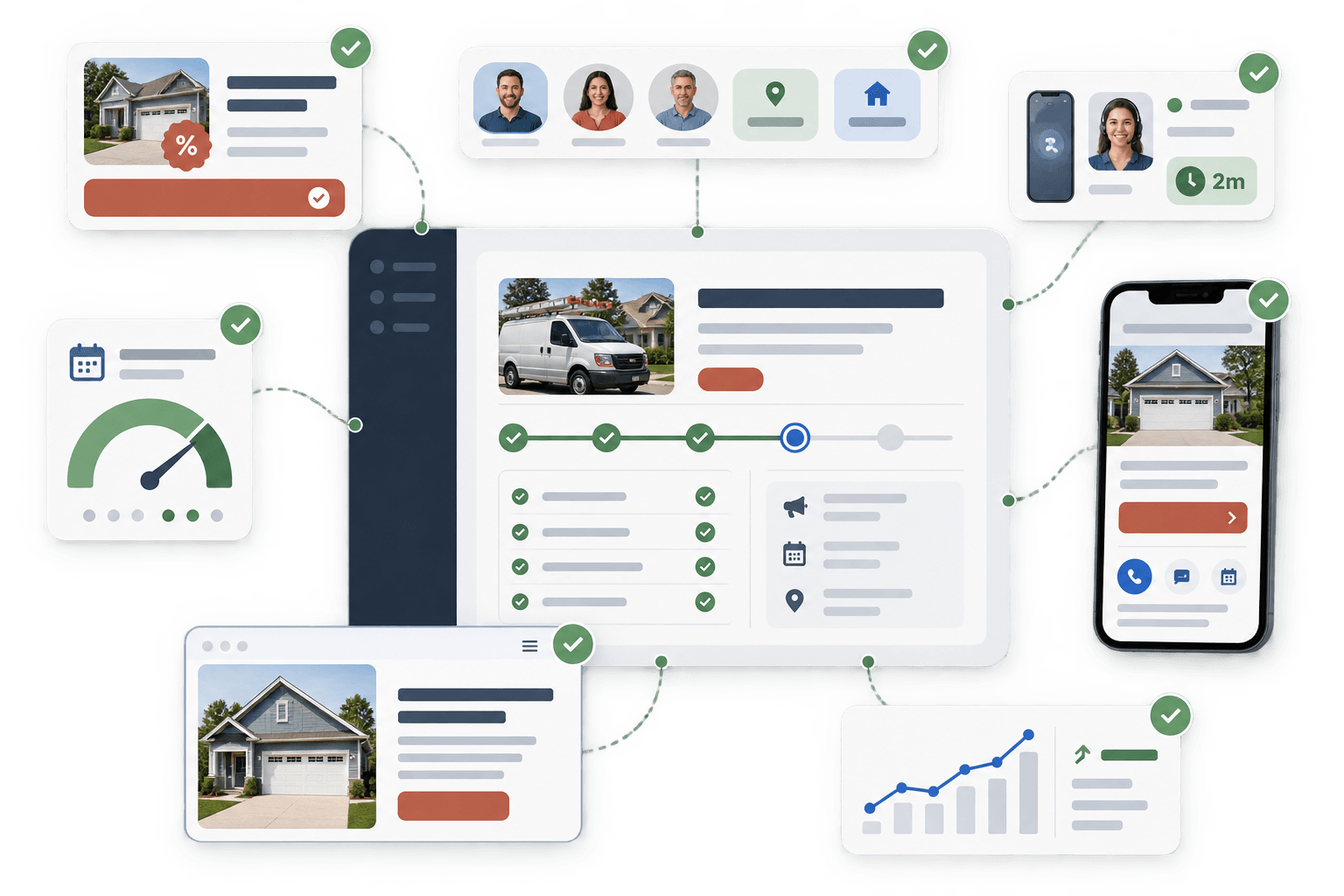
Before recommending a campaign, Loskutech documents:
The specific service or offer being promoted.
The customer, geography, qualification context, availability, and approved claims.
Typical customer value, margin context, close-rate assumptions, and an acceptable acquisition range supplied by the client.
Who responds to inquiries, during which hours, and how quickly.
The business's capacity to fulfill additional demand.
The media budget, test period, landing-page readiness, conversion action, and policy risk.
When these inputs are missing, the correct next step may be a landing-page project, measurement repair, offer clarification, operational work, or a smaller discovery engagement rather than immediate ad spend.
A controlled campaign system.
Client-owned accounts and billing
Google Ads, Meta business assets, billing methods, pages, pixels or datasets, domains, and connected analytics should remain client-owned. Loskutech receives delegated access required for the scope and documents offboarding.
Offer and landing-page alignment
The ad, search term or audience, landing-page message, proof, qualification, call to action, and form or booking path must describe the same approved offer.
Conversion measurement
Define the primary conversion, supporting actions, attribution limitations, privacy controls, and testing plan before launch. A platform conversion is not labeled a qualified lead, sale, or revenue event without business-side evidence.
Campaign structure
Build the approved Google or Meta campaign structure, geography, targeting, exclusions, copy, creative, destinations, budget, bids, and naming conventions according to the test plan.
Launch quality assurance
Verify billing, account access, final URLs, tracking, consent behavior, forms, phone actions, search terms or audiences, exclusions, policy-sensitive claims, and client approvals before enabling spend.
Ongoing management
Monitor spend, delivery, search terms or placements, audiences, creative, conversions, lead quality, policy notices, and material changes. Record why budgets, bids, targeting, copy, destinations, or exclusions changed.
Google Ads and Meta Ads serve different demand patterns.
Google Ads
Useful when customers are actively searching for a service or a specific solution. Campaign structure, match behavior, negative keywords, geography, ad copy, landing pages, and conversion tracking must remain controlled.
Meta Ads
Useful when the offer can be introduced to a defined audience before a direct search. Creative quality, frequency, audience ethics, landing-page continuity, consent, and lead qualification become especially important.
The platform recommendation follows the offer, customer behavior, budget, creative assets, policy constraints, and available measurement rather than a default preference.
Lead quality is part of optimization.
Platform dashboards show delivery and tracked actions. They do not know whether an inquiry was relevant, reachable, qualified, booked, sold, canceled, or profitable unless the client provides that information.
Loskutech uses a defined feedback process to separate:
Clicks and platform activity.
Tracked website conversions.
Valid inquiries.
Qualified leads.
Appointments or estimates.
Confirmed sales and revenue when the client can provide reliable evidence.
Budget and forecasting discipline.
Forecasts use ranges and client-provided assumptions, not one precise promise. Auction conditions, competitors, seasonality, platform changes, customer behavior, creative fatigue, and lead response can change costs and volume.
Ad spend is paid directly by the client and is separate from Loskutech management fees unless a written agreement states otherwise.
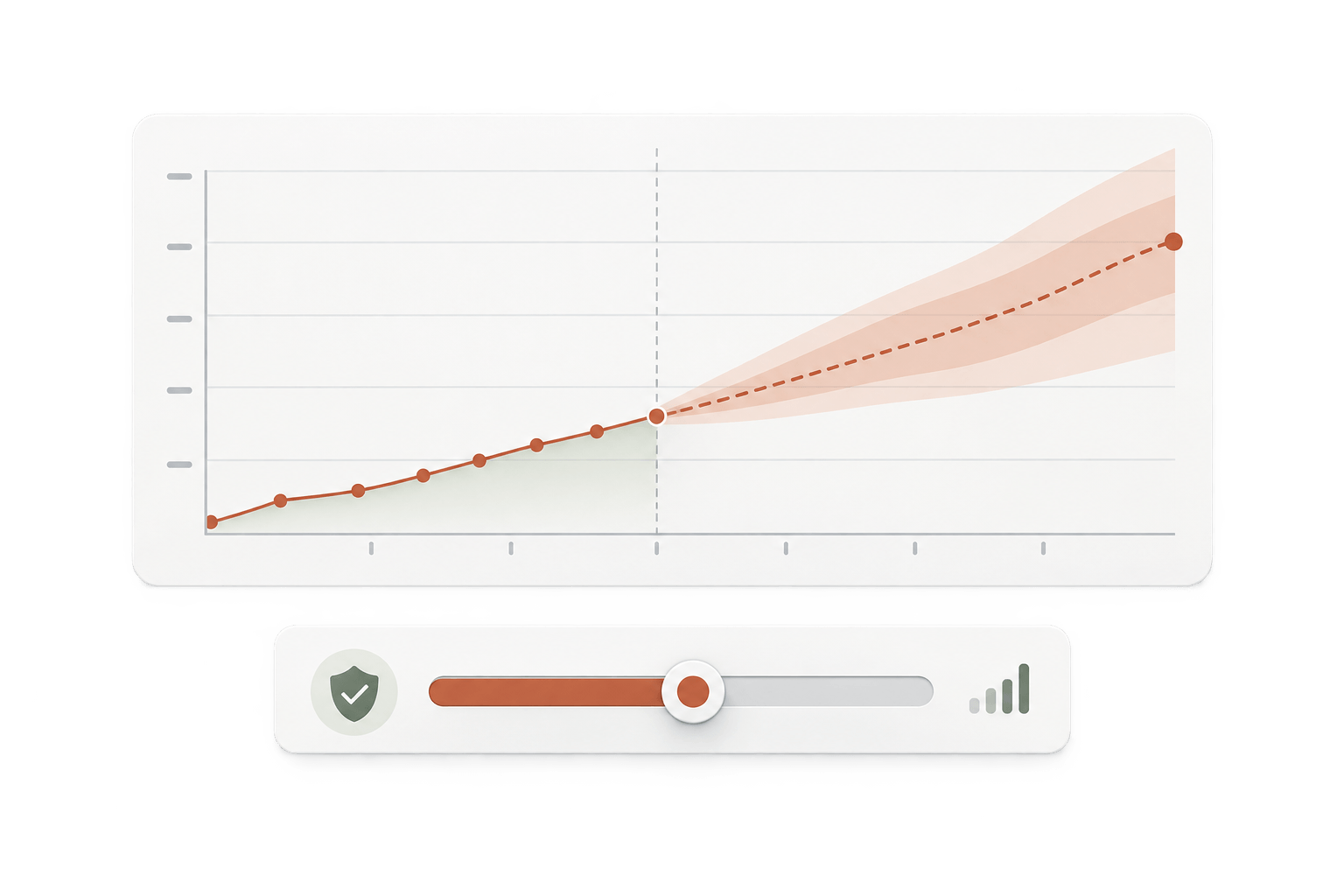
Loskutech controls the quality of strategy, setup, testing, measurement, management, and documentation. Market demand, platform approval, lead quality, and revenue are not guaranteed.
The paid advertising process.
Qualify
Confirm the offer, customer value, geography, response process, capacity, budget, conversion, destination, and policy risk.
Plan
Approve the campaign brief, account map, claims review, measurement plan, landing page, targeting, creative, budget, and test thresholds.
Build and test
Configure client-owned accounts, campaigns, tracking, destinations, exclusions, and launch QA.
Manage
Monitor spend, delivery, queries or audiences, creative, conversion behavior, lead quality, policy issues, and material changes.
Report and decide
Separate platform observations from business outcomes, explain limitations, and recommend whether to continue, change, pause, or expand the test.
Frequently asked questions
The responsible test range depends on the offer, geography, auction conditions, expected customer value, conversion path, close rate, capacity, and test duration. Loskutech documents a range rather than promising a fixed volume.
Send paid attention into a path that is ready to receive it.
Advertising works best when the offer, destination, contact path, response process, and measurement are already aligned.